
Dry Eye Treatment
Advanced diagnosis and personalized treatment
relieve symptoms, improve tear film stability and restore long-term visual comfort.
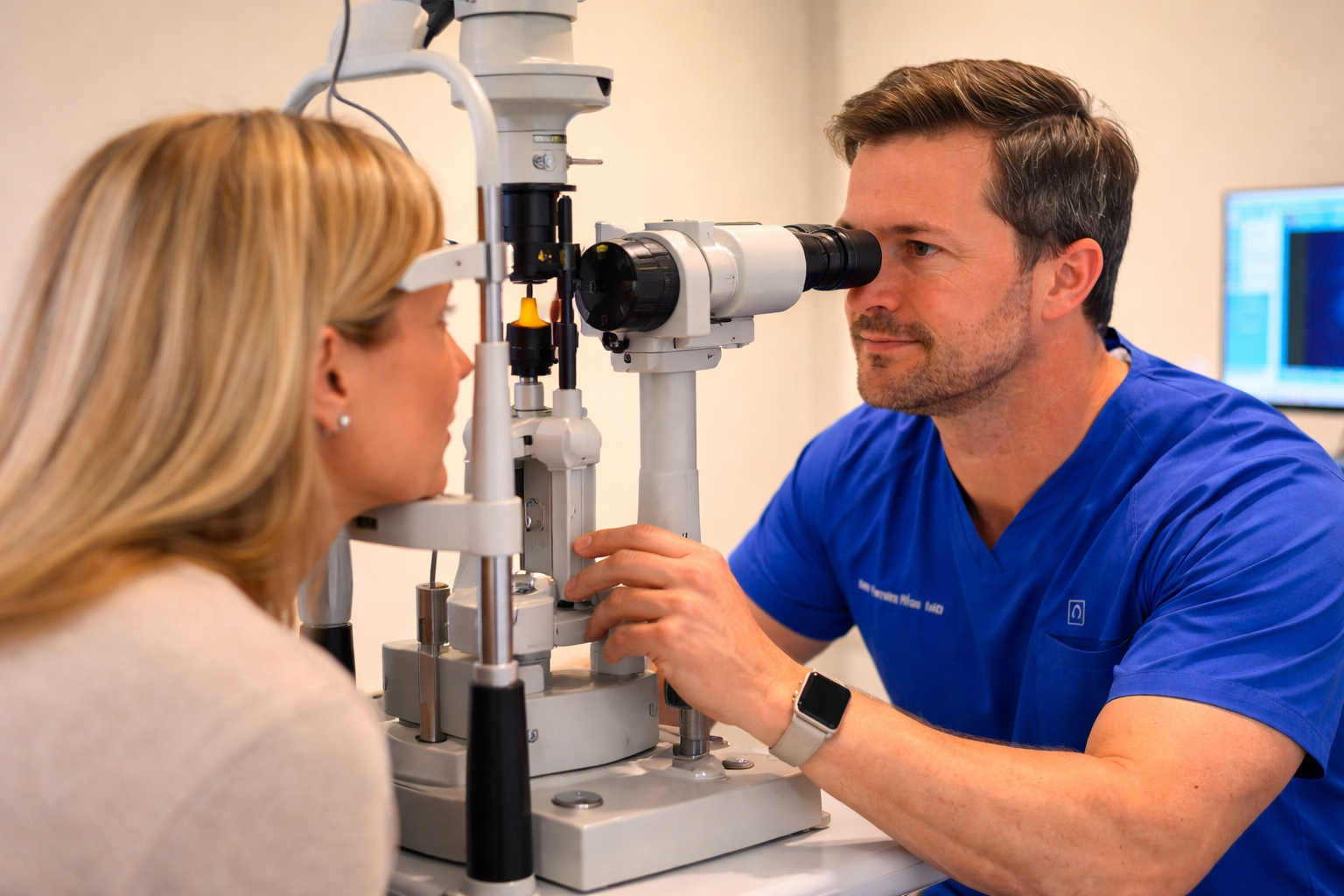
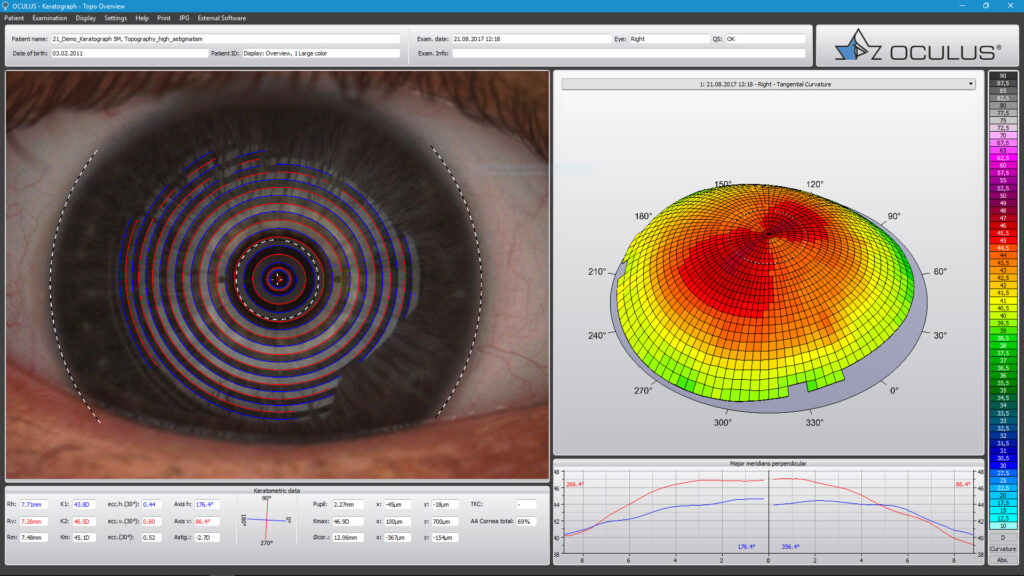
Dry eye is not “just a lack of tears”
Dry eye is a multifactorial condition. It can be caused by tear film instability, inflammation, Meibomian gland dysfunction, or ocular surface alterations. That is why effective treatment begins with a structured diagnosis.
At the clinic, we work with a phased approach: first we identify the dominant cause, then we combine specific therapies and, finally, we follow up to maintain results.
Common symptoms
Burning, stinging, gritty sensation
Redness and discomfort in windy conditions
Fluctuating vision, worse at the end of the day
Discomfort with screens or reading
Tired or heavy eye sensation
Tearing (paradoxical) due to irritation
Structured Diagnosis
We identify the dominant cause (evaporative, inflammatory, mixed, or other associated conditions) and evaluate the ocular surface and Meibomian glands to define an effective plan.
- Clinical history and habits (screens, environment, contact lenses)
- Tear film and ocular surface evaluation
- Eyelid and gland examination
- Definition of therapeutic goal and follow-up plan
Phased Treatment
We combine therapies progressively. The goal is to stabilize the ocular surface and maintain results over time.
- Foundation: eyelid hygiene, proper lubrication, and habits.
- Optimization: evaporation control and tear stabilization.
- Inflammatory control: medical treatment when indicated.
- Maintenance: follow-up visits and adjustments to prevent relapses.
Request a dry eye evaluation
If you have persistent symptoms or fluctuating vision, we can perform a comprehensive diagnosis and propose a treatment plan tailored to your case.
Frequently asked questions
Why doesn’t my dry eye improve with artificial tears alone?
Because in many cases the main cause is not “lack of tears” but evaporation, inflammation, or gland dysfunction. Treatment must target the dominant cause.
Can dry eye affect vision?
Yes. The tear film is part of the eye’s optical system. When it is unstable, vision can fluctuate and contrast may decrease.
Can it be permanently cured?
In many patients it can be very effectively controlled with a correct diagnosis, personalized treatment, and maintenance. Follow-up is key to preventing relapses.