
Treatments · Dry eye
Dry Eye Treatment in Mexico City
Advanced diagnosis and personalised treatment to relieve symptoms, improve tear film stability and restore long-term visual comfort.
★ 4.9 · 73 Google reviews · Dante 6, Anzures
The condition
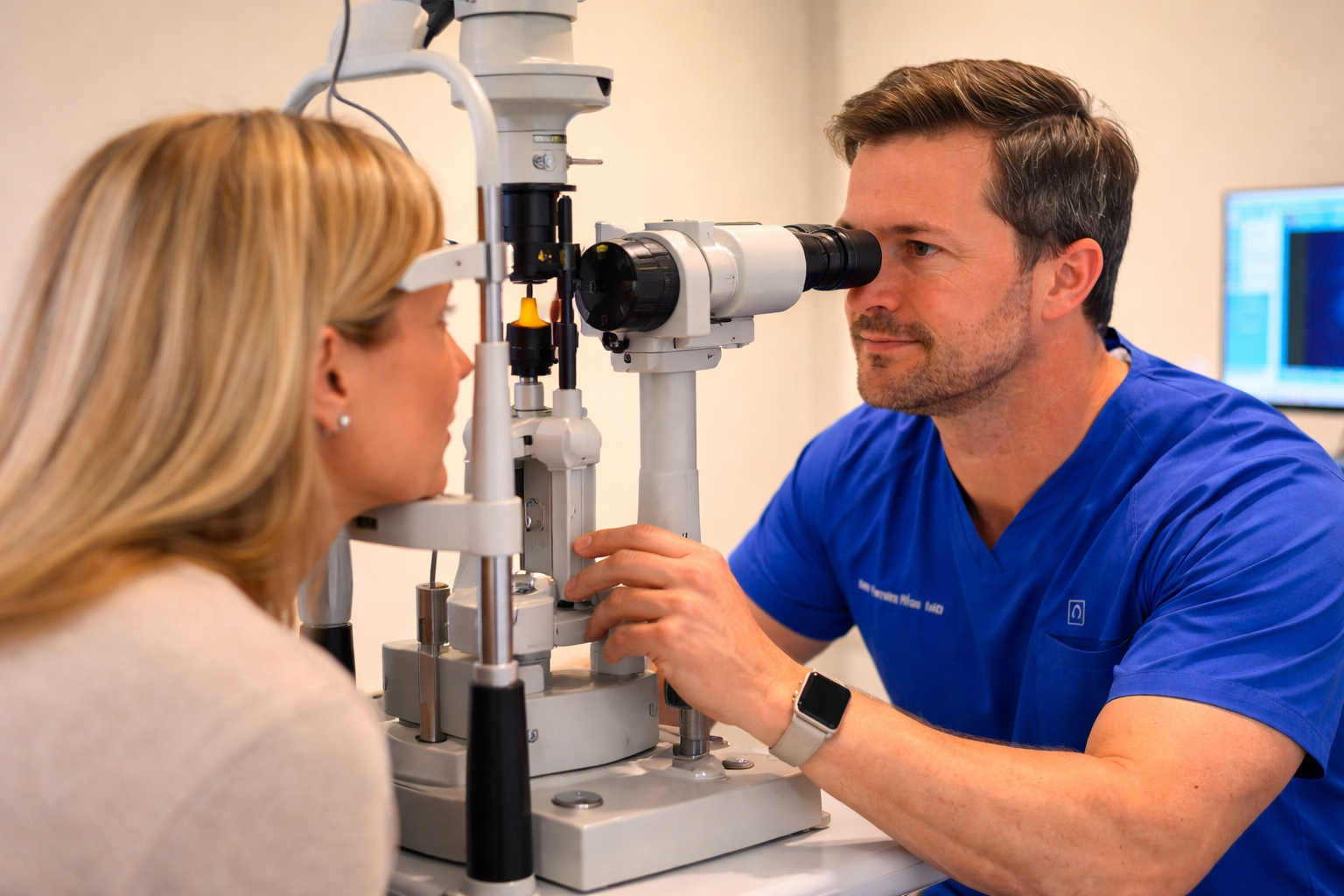
Dry eye is not “just a lack of tears”
Dry eye is a multifactorial condition. It can be caused by tear film instability, inflammation, Meibomian gland dysfunction, or ocular surface alterations. That is why effective treatment begins with a structured diagnosis. Most people treat dry eye with artificial tears alone for years — easing the symptom while the underlying cause keeps progressing.
At the clinic, we work with a phased approach: first we identify the dominant cause, then we combine specific therapies and, finally, we follow up to maintain results.
The symptoms
Common symptoms
- Burning, stinging, gritty sensation
- Redness and discomfort in windy conditions
- Fluctuating vision, worse at the end of the day
- Discomfort with screens or reading
- Tired or heavy eye sensation
- Tearing (paradoxical) due to irritation
Our method
From precise diagnosis to phased treatment
Structured Diagnosis
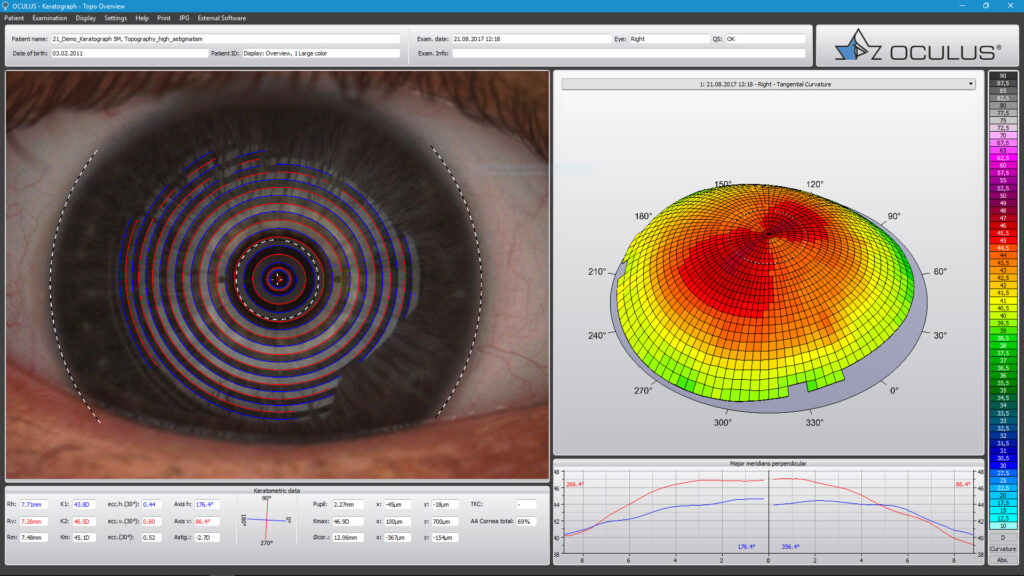
We identify the dominant cause (evaporative, inflammatory, mixed, or other associated conditions) and evaluate the ocular surface and Meibomian glands to define an effective plan.
Clinical history and habits (screens, environment, contact lenses)
Tear film evaluation: tear break-up time (BUT), osmolarity and ocular surface staining
Eyelid margin examination and Meibomian gland meibography
Definition of therapeutic goal and follow-up plan
Phased Treatment
We combine therapies progressively. The goal is to stabilize the ocular surface and maintain results over time.
Foundation: eyelid hygiene, proper lubrication, and habits.
Optimization: evaporation control and tear stabilization through in-office therapies.
Inflammatory control: intense pulsed light (IPL), LLLT phototherapy and medical treatment when indicated.
Maintenance: follow-up visits and adjustments to prevent relapses.
Your environment
Living in Mexico City dries your eyes
Mexico City combines three factors that aggravate dry eye: the dry high-altitude climate, air pollution that inflames the ocular surface, and workdays of 9+ hours in front of screens. When you stare at a screen, your blink rate can drop by half and tears evaporate before they are replenished.
Small habit changes also help: regular visual breaks, conscious blinking, good hydration and positioning your screen slightly below eye level.
In-office therapies
Advanced dry eye treatments
Alongside medical treatment, we offer in-office therapies that target the cause of evaporative dry eye and Meibomian gland dysfunction:
Eyelid margin cleaning and exfoliation
Removes the deposits and bacterial biofilm that block the release of the tear film’s oil layer. Painless, with no downtime.
Infrared thermotherapy
Controlled heat that liquefies the thickened secretion of the Meibomian glands and stimulates the production of new secretion.
Meibomian gland expression
Controlled release of duct obstructions to restore the lipid layer of the tear film.
Intense pulsed light (IPL)
Controlled light pulses applied to the eyelid margin that reduce inflammation and improve gland function; especially useful in ocular rosacea.
Low-level light therapy (LLLT)
Red and blue LEDs that reduce inflammation and activate the cellular function of the glands. Non-invasive and completely painless.
The combination of therapies and number of sessions are defined by each patient’s diagnosis, within a phased plan with follow-up.
Before surgery
Dry eye and eye surgery
An unstable tear film distorts the measurements taken before cataract surgery, presbyopia surgery or laser refractive surgery, and can compromise the final visual quality. That is why we evaluate and optimize the ocular surface before operating — and monitor it afterwards, since any eye surgery can temporarily worsen dry eye.
Request a dry eye evaluation
If you have persistent symptoms or fluctuating vision, we can perform a comprehensive diagnosis and propose a treatment plan tailored to your case.
Common questions
Frequently asked questions
Why doesn’t my dry eye improve with artificial tears alone?
Because in many cases the main cause is not “lack of tears” but evaporation, inflammation, or gland dysfunction. Treatment must target the dominant cause.
Can dry eye affect vision?
Yes. The tear film is part of the eye’s optical system. When it is unstable, vision can fluctuate and contrast may decrease.
Can it be permanently cured?
In many patients it can be very effectively controlled with a correct diagnosis, personalized treatment, and maintenance. Follow-up is key to preventing relapses.
Which eye drops work for dry eye?
It depends on the type of dry eye. As a general rule, we prefer preservative-free artificial tears for frequent use. If you need drops many times a day, the cause is likely untreated and an evaluation is advisable.
Does dry eye go away on its own?
Generally not. It is a chronic, progressive condition: without treatment, the Meibomian glands can atrophy irreversibly. Early detection allows simpler, more effective treatment.
How much does dry eye treatment cost in Mexico City?
It depends on the type and severity. The first step is a complete diagnostic evaluation; based on the result you will receive a treatment plan with clear costs and no unnecessary therapies.
How long does treatment take?
It depends on the cause and severity of each case. The goal is to stabilise the ocular surface within the first weeks and then maintain comfort with a simple maintenance plan and regular check-ups. For many patients dry eye is a chronic condition that can be controlled very effectively.