
Intraocular Surgery Instructor
Training surgeons in advanced intraocular techniques.
Correction of myopia, hyperopia, and astigmatism using excimer laser
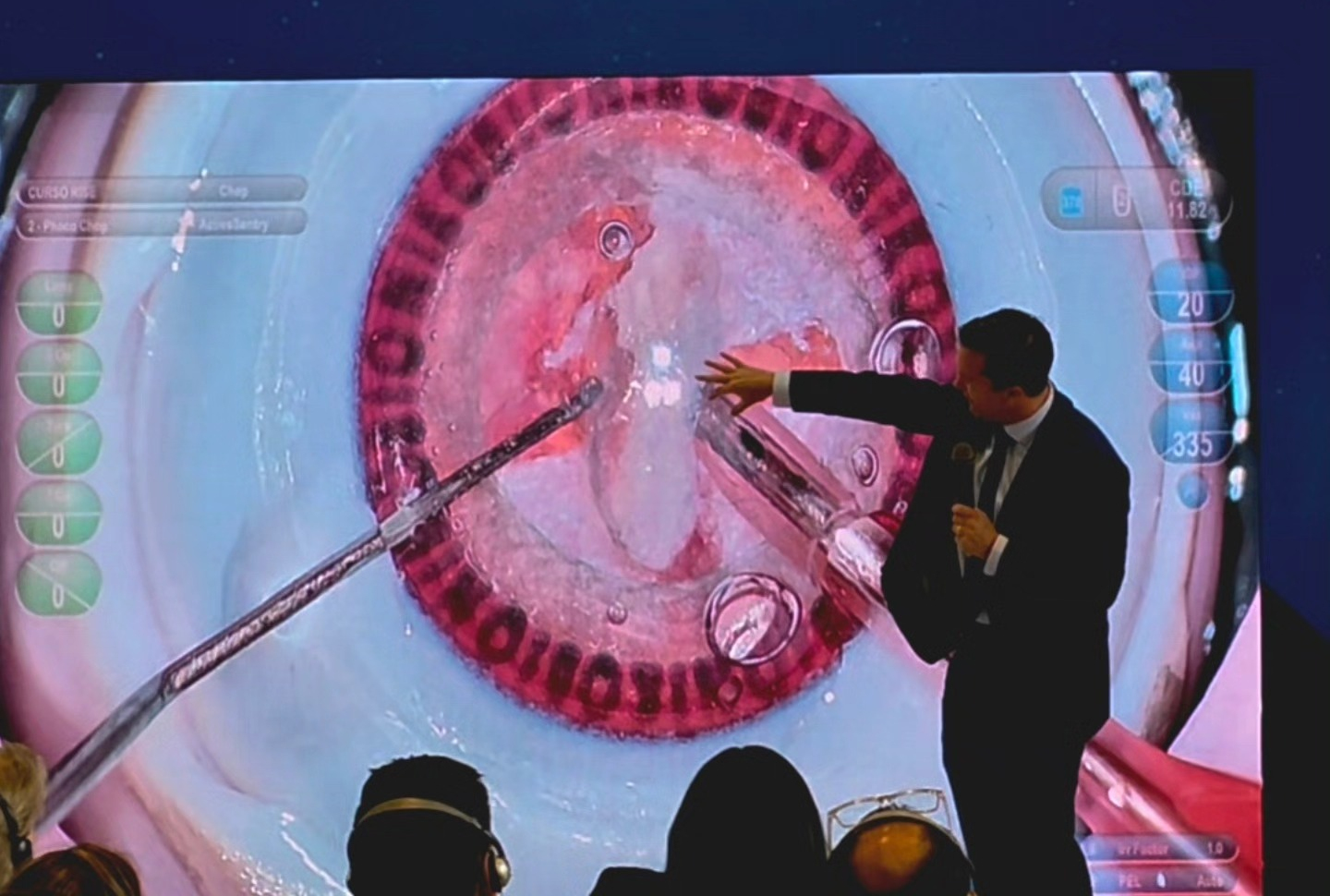
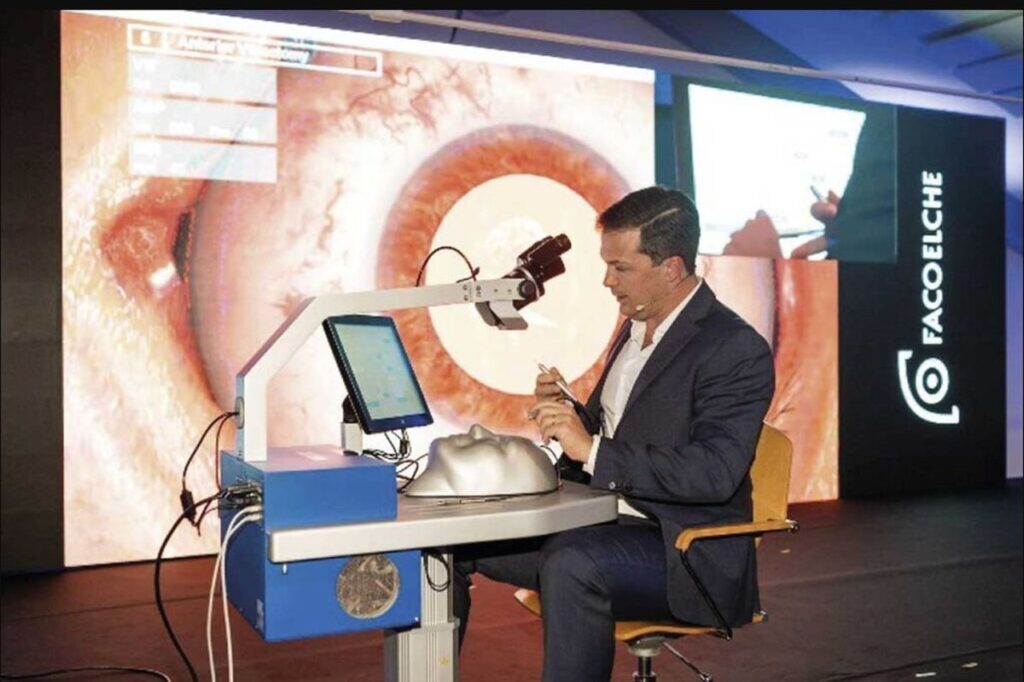
A surgeon who teaches how to operate
Dr. Ivo Ferreira carries out a teaching activity focused on training surgeons in advanced intraocular techniques. This facet is not separate from his clinical practice: it is a natural extension of it.
Teaching requires a deep mastery of technique, structuring every step of the procedure, and teaching how to make surgical decisions with sound judgement. For the patient, this means a methodical, precise, and carefully planned approach.
How does his teaching background translate into your experience as a patient?
Rigour and consistency
A surgery that can be taught is a structured surgery. The method reduces improvisation, increases control, and improves safety.
Advanced surgical judgement
Teaching involves anticipating scenarios and making decisions with clarity. That same judgement is applied in every procedure.
Clear explanations
A good instructor knows how to explain complex things simply. In the consultation, this translates into trust and peace of mind.
What an intraocular surgery instructor does
Surgical teaching involves supervising, correcting technique, teaching decision-making, and standardising processes so that every step has a clear rationale.
- Trains fine technique (millimetre precision and instrument control).
- Teaches judgement (what to do and what to avoid in each situation).
- Standardises steps to reduce variability and increase safety.
- Evaluates outcomes and continuously improves the process.
Book your assessment with Dr. Ferreira
If you are looking for a surgical evaluation with a methodical approach, advanced judgement, and international standards, you can request an appointment at the clinic.
Frequently asked questions
Why is it important that my surgeon is also an instructor?
Because teaching demands mastery of the technique and structuring every step. This brings coherence, precision, and safety to daily clinical practice.
Does the teaching background change the way patients are treated?
Yes, in the sense that communication tends to be clearer and more structured. The goal is for the patient to understand the process and make informed decisions.
Can I come for an assessment even if I haven’t decided on surgery?
Of course. The assessment allows you to understand your situation and learn about your options with no obligation.