The Future Is Here. The Day Cataract Surgery Felt Truly Physiological
There are moments in a surgical career that stay with you. Not because of complexity, not because of difficulty, but because something changes inside how you understand what you do.
I had the chance to start my surgical career with the Infinity system. The transition to Centurion was a giant leap, but at that time, I didn’t have the right mindset to fully understand it. Active Fluidics changed the way we do surgery forever, but I believe many of us, as a surgical community, didn’t completely grasp its value in the beginning.
Then Active Sentry came, and it was easier to understand, maybe because it brought us closer to something very intuitive: operating in near-physiological conditions. That made sense. And over time, the evidence confirmed it.
Now, this new leap makes total sense to me. Not only because of what the technology does, but because of the journey behind it. I feel a responsibility to communicate this clearly and honestly to my colleagues.
Today, cataract and retina surgery are more connected than ever, fluidics are being redefined and shared across disciplines, energy delivery has evolved, and physiological conditions are no longer an aspiration. They are built into the system.
This was one of those moments. For the first time, I had the opportunity to truly work with Alcon’s new platform, Unity. But this was not my first encounter.
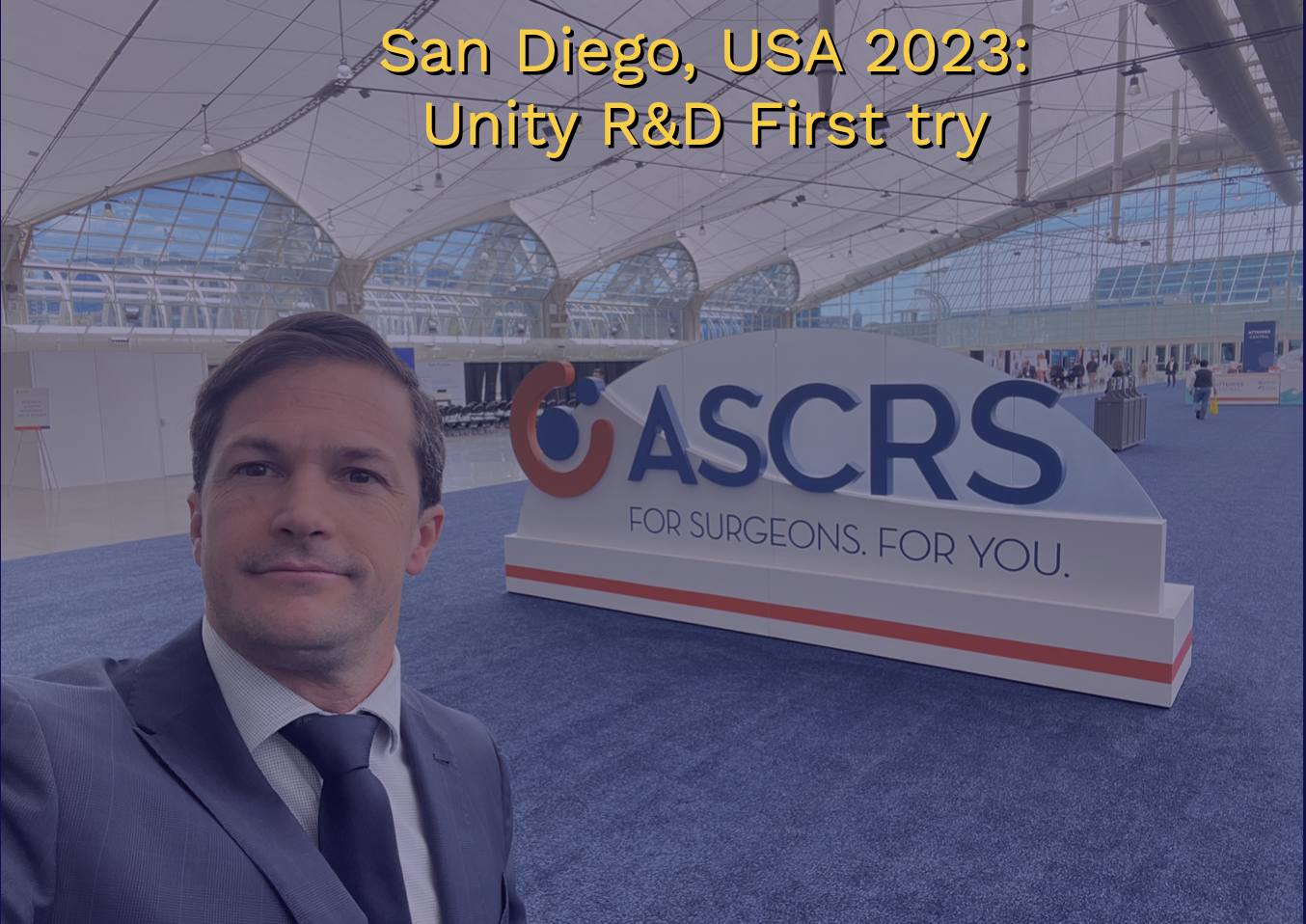
This moment started more than three years ago. Back then, I was introduced to the technology while it was still in development with the R&D team. It was raw, early, full of potential. I had the chance to give a lot of feedback, to share what we experience inside the eye, what we struggle with, what we wish we could control better. It was a process of building, not just observing.
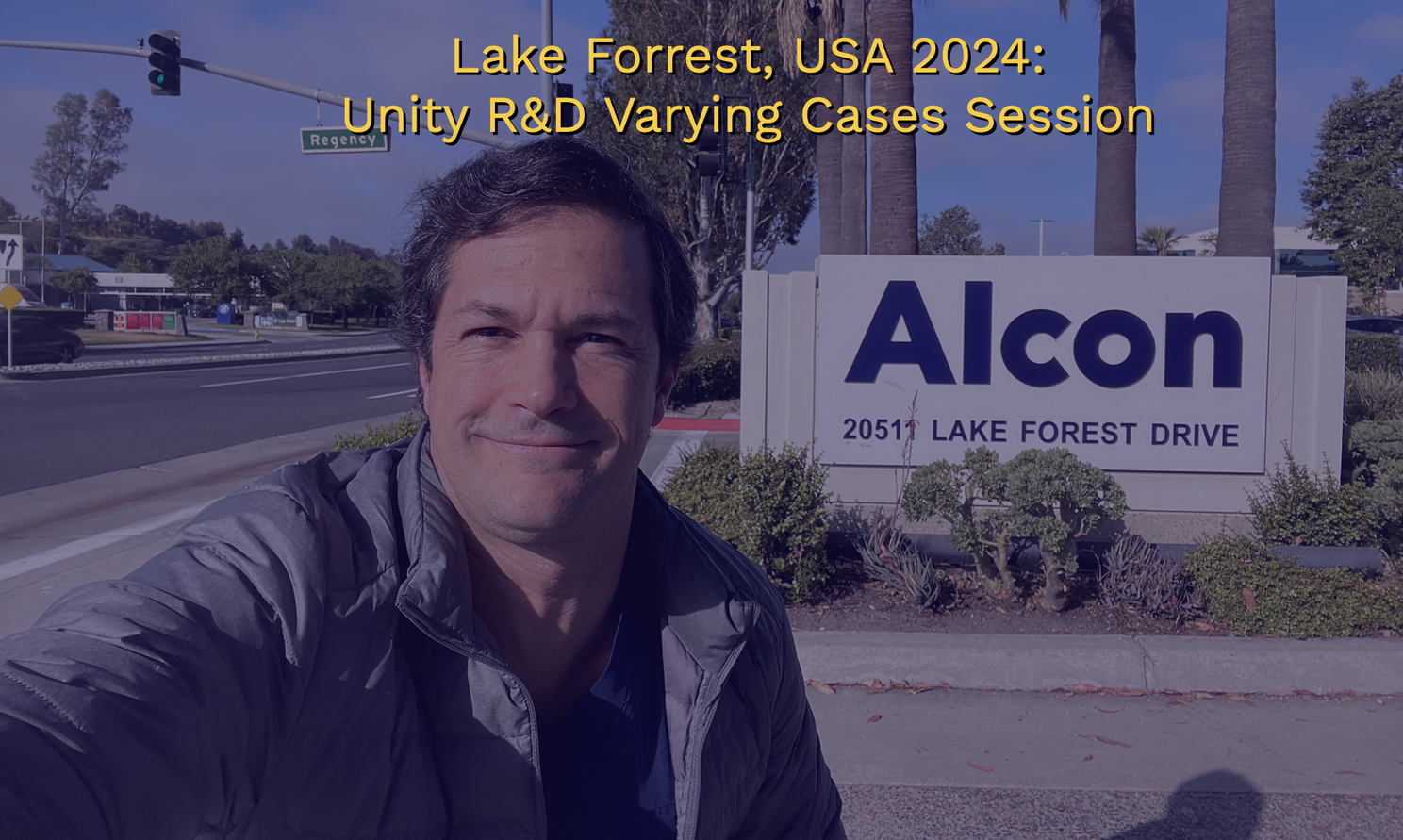
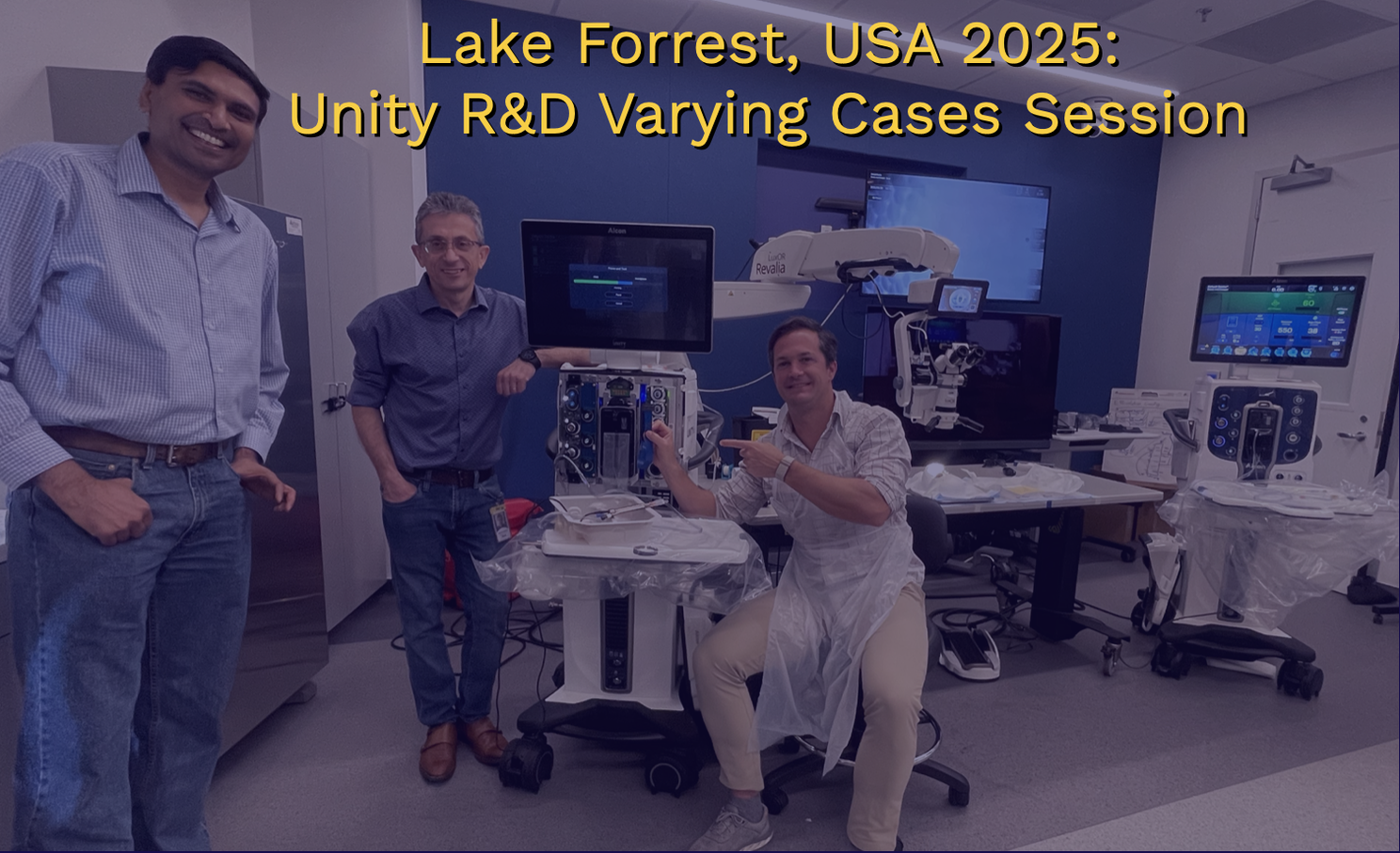
Two years later, I went to Lake Forest. That phase was different. It was about refining. We worked on multiple scenarios, different conditions, pushing the system, adjusting behaviors, improving how it responded. We discussed fluidics, energy, settings, but more importantly, how all of this translates into real surgical decisions.
About a year ago, we were looking at the final details. Not only performance, but also how to communicate this to surgeons. How to present a technology that is not just better, but different in its logic.
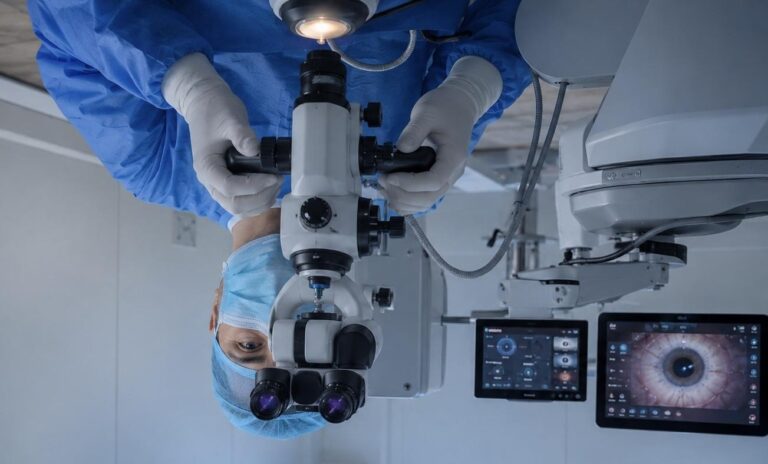
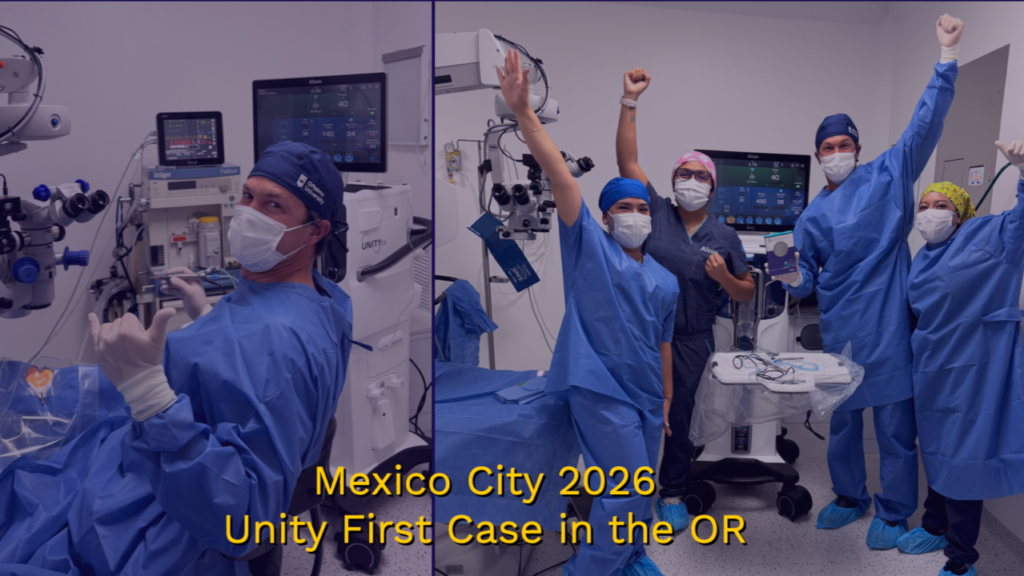
And today, I used it for the first time in the operating room with real patients. What happened was exactly what I expected. Not because it was predictable. But because I was ready for it.
This is something I think is important to say. The technology did not feel foreign. It did not feel like I had to adapt to it in a forced way. It felt natural. And I believe that comes from understanding the mindset behind it. Understanding how to make decisions in a system that is no longer based on forcing parameters, but on working with the physiology of the eye.
What I experienced was not an incremental improvement. It was not just better numbers or more control. It felt like a different way of doing surgery. A real shift.
For the first time, I truly felt I was working in physiological conditions. Not trying to simulate them or protect the eye from instability, but actually being there. The anterior chamber felt stable in a very natural way, the fluidics were not just reactive but predictive, and the system didn’t feel like something I had to constantly manage. It felt like it was working with me.
Efficiency was not coming from using more energy. It was coming from coordination, from timing, from how energy interacts with fluidics and with the fragment at each moment.
And at the same time, something even more important was present throughout the entire procedure. Safety. A level of safety that you don’t need to chase. You feel it. It is there, consistently, in every step.
This is where I believe the real revolution is happening. Not only in the technology itself, but in the way it pushes us to think differently. For years, we have been trained to focus on parameters, vacuum, power, numbers. But the future is not about that. The future is about understanding the eye as a dynamic system and respecting its physiology during surgery.
This is what Unity brings. A quantum leap. An exponential step forward. From safety to efficiency, and finally to something we have been chasing for years, true physiological surgery.
And it leads to a very simple reflection. The day we operate on our own eyes, on our family, on our patients, this is the level we should aim for. Not because technology allows it, but because responsibility demands it.
This experience made me proud. Proud as a surgeon, as an educator, and as someone who believes that the future is not something we wait for. It is something we build.
And today, it feels like we are already there.
Key Milestones in the Journey of Unity
- First hands-on experience with Unity during the ASCRS Annual Meeting in San Diego, 2023
- Visit from the Alcon R&D team to Mexico City, October 2023
- First in-depth visit to R&D facilities in Lake Forest, 2024
- Advanced development and refinement visit to Lake Forest, 2025
- Global launch phase across key cities including Madrid, Copenhagen, Dubai, Colombia, with many more to come
- Participation in the Beat Ivo Challenge at Bascom Palmer Eye Institute, Miami 2025
First Surgery in the Operating Room — April 2026.